100 search and rescue dogs were deployed to the World Trade Center and Pentagon in the aftermath of the 9/11 attacks. These heroic canines worked with heroic emergency service workers and firemen to search tirelessly for survivors stranded beneath the rubble.
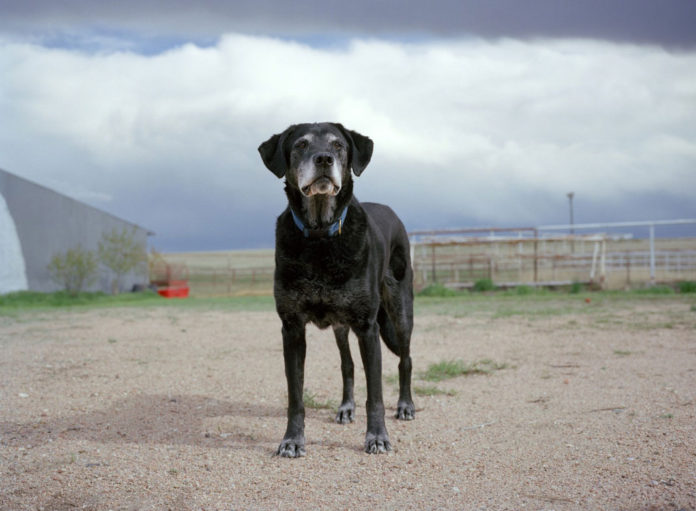
In 2011, Charlotte Dumas published a book of portraits entitled, “Retrieved,” portraits of the 12 dogs still alive, a decade after their service.
In my memory, the photographs of these dogs that appeared in the newspapers stayed with me most strongly: a dog being transported in a stokes basket on cables suspended high over the wreckage; another dog intently searching while maneuvering over enormous bend beams; dogs receiving eye drops after and in between shifts.
Tomboy Style: Beyond the Boundaries of Fashion, is a fabulous book from blogger, writer, friend and tomboy Lizzie Garrett Mettler.
What better way to celebrate Dads than to look at the styles they inspire?
You had to prove yourself to my father. And he liked courage. If you fell off the horse, you got back up. And that could go on for days. And as often as you’d fall off, as often as you’d have to get back up.
—Anjelica Huston, in an excerpt from an interview with Lauren Bacall for Intimate Portrait.
Studies show well-rested people are judged to be younger, more attractive and more competent.
2. Brighter Mood
People feel better and brighter when they get adequate sleep. Poor sleep is linked with clinical depression.
3. Manage Stress
It is easier to respond to challenges in productive ways when well rested.
4. Appetite Control
Not sleeping enough leads to increased hunger and is linked with weight gain.
5. Brain Boosting
A good nights sleep is critical for protecting brain.
6. Love Life
Couples whose sleeping patterns are in sync are more satisfied with their relationship and argue less.
7. Weight Loss
Total sleep time and quality of sleep predicted the successful loss of fat in individuals enrolled in a weight loss program.
8. Reduce Cravings
Studies show that people who are sleep deprived crave sweet and salty food.
9. Boost Memory
Sleep and memory go hand in hand.
10. Optimal Functioning
Even though some people claim they only need 4 or 5 hours of shuteye, studies show they are not functioning at their best.
11. Learn New Material
Studies show people retain information if they go to sleep shortly after learning it. It’s why all-nighters don’t work.
12. Performance
Getting extra sleep has been shown to improve athletic performance, alertness and mood. Well-rested football players improved sprint time in the 20-yard shuttle and 40-yard dash. Similar improvements were seen with basketball players.
If you sleep less, you eat more. You remember less. You get sick more often. You look bad. And poor sleep also leads to high blood pressure, missed workouts, irritability, poor decision making, and greatly impaired well-being.
These statistics, compiled by Online Psychology Degree, are startling:
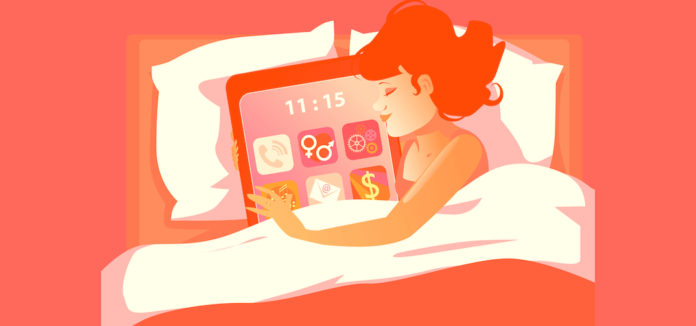
1 in 3 smartphone owners would rather give up sex than their phones.
95% of people said that they regularly: browse the web, text or watch TV before trying to sleep.
90% of 18-29 year olds say they sleep with their phone in or right next to bed.
1 in 4 people don’t silence their cell phones before bed.
1 in 10 say they are awakened at least a few times a week by phone calls, texts or emails.
1 in 2 say if they wake in the night for no reason, they’ll check their phone right away.
In a study of people who use gadgets before bedtime:
63% of participants said that their sleep needs were not met during the week.
This is because a two-hour exposure to light from electronic displays suppressed melatonin by about 22% (melatonin is the chemical in your body that promotes sleep).
Regular late-night computer use isn’t just associated with sleep disorders but also with stress and depressing symptoms.
Sleep deprivation takes a toll:
1 in 5 car accidents are a result of drowsy driving.
3 in 10 workers will fall asleep at their desks this month.
Sleeping an average of less than 6 hours per night raises lifetime heart attack risk by 50%.
Prioritize eight hours of high-quality sleep ahead of all else. You will be more likely to have a good workout, get more done at your job, and treat your loved ones better when you put sleep first. Remember, every extra hour of sleep is a positive investment. It is not an expense.
Previous research has shown us that the lunar cycle does not contribute to erratic human behavior, including transforming people into wolves, or causing inexplicable chest pains. But that doesn’t mean the moon has no effect at all.
As part of a routine study, scientists analyzed aspects of test participants’ sleep patterns – time it took to fall asleep, length of full night’s sleep, etc. Five years later they decided to revisit the data and analyze it in a new context: the lunar cycle.
The findings were surprising. During the full moon, test subjects took 5 minutes longer to fall asleep, slept for 20 minutes less per night and suffered a 30% decrease in deep sleep.
It has become increasingly rare to find oneself in silence. Even when we are alone or in the country, phones beep, televisions blare, and iPods beckon. Wherever we go, a constant drone surrounds us. Noise is pervasive and has become the soundtrack of our lives, so much so that it is not unusual for patients to tell me that silence scares them.
Research shows that constant noise is what we should be worried about. As a recent report highlights, in addition to hearing loss, sleep, cardiovascular function, anxiety, and even a patient’s ability to heal in a hospital after surgery are all affected by noise:
In our 24/7 society, noise is pervasive and the availability of quiet places is decreasing. We need to better understand how this constant exposure to noise is impacting our overall health. From ear buds blasting music during subway commutes to the constant drone of traffic heard by those who live or work near congested highways to the beeping of monitors that makes up the soundtrack heard by hospital patients and staff, what we hear all day impacts many parts of our bodies.
A quiet environment allows for internal quiet and is a space for reflection. Seek out silent sacred spaces like galleries or museums. Consider “running naked” and by that I mean technologically naked, without your phone, music or any gadgets. Or go for a swim to hear the sweet sound of solitude:
As the world, with its escalating rings and pings, gets ever more hysterical, suspending yourself in water becomes ever more appealing.
As Michael Phelps points out, a pool can be the ultimate “safe haven.” It’s hot outside. Dive in for some peace and quiet.