
My latest for The Wall Street Journal explores why the goal of longevity isn’t just to add years to life. It’s to add more life to those years.
A close friend of mine is in her 90s and she is one of the most alive people I know. For years we have gone on what she calls excursions together, to galleries and museums around New York.
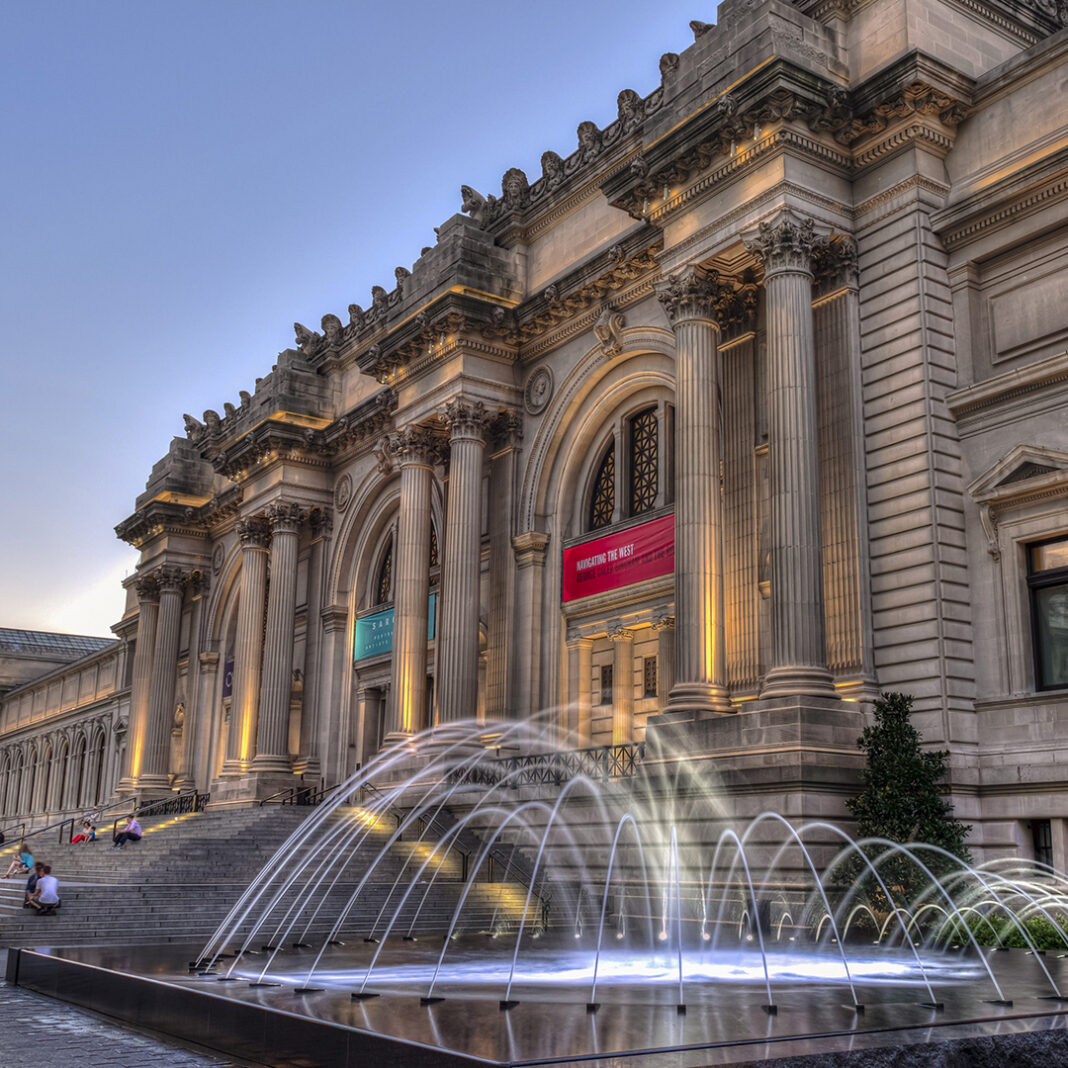
After a visit to a Caspar David Friedrich exhibition at the Metropolitan Museum of Art, she sent me a note. The day had been a difficult one, she wrote, and then she walked into those galleries and experienced “a major mood change which seemed beyond happiness.” She described the large seascape in its unforgettable blues, the watercolors of trees, the misty quality of the skies.
Of his painting “Wanderer Above the Sea of Fog,” Friedrich once said: “It reminds me how small I am, but also how miraculous this life is.” I think my friend would agree.
As a clinical psychiatrist, I often think about that experience when patients come to me asking about healthy aging. Nobody mentions visiting a museum. Instead, the conversation turns to the longevity industrial complex—biological-age testing, sleep scores, continuous glucose monitors, elaborate supplement stacks.

One patient came to me having tracked every metric imaginable—her glucose levels, her heart-rate variability, her biological age—and yet she couldn’t tell me the last time she had been genuinely excited about something. She was treating her body as a system to be fine-tuned and monitored. There is nothing wrong with that, but it isn’t the same as living a vital life.
A new study from University College London found that regular arts and cultural engagement—including visiting galleries, attending concerts, singing and dancing—slows biological aging at the same rate as physical exercise. People who engaged most frequently and across the widest variety of activities were roughly a year younger biologically than those who didn’t. According to the researchers, it is the first study to show arts engagement working at the epigenetic level. The lead author described it as the cultural equivalent of going to the gym.
What counts as arts engagement is broader than most people assume. It isn’t just visiting museums and attending concerts. On her 50th birthday, a patient decided to attend one arts event a week. A gallery opening, a play, a book reading—whatever caught her eye. Within months she told me she had noticed a tangible shift in her energy and mood.
Another, recently retired, signed up for ballroom-dancing classes at a community center and came back transformed, by the music, the other dancers and the pleasure of learning something new. A third joined a knitting club and found it was the best part of her week.
We already know that chronic stress takes years off our lives. Elevated cortisol raises the risk of heart disease, cognitive decline and accelerates biological aging. Engaging with the arts counters that damage in ways that are now measurable at the biological level.
The social aspect matters too. A study conducted at Manchester Art Gallery found that visitors who discussed what they were seeing with others left feeling more positive, more connected and closer to the people they came with. Modern life pulls us inward. Art pulls us back out toward beauty and toward each other.
The secret to longevity may be simpler than we think, and a lot more enjoyable. Visit a gallery, see a play, join a dance class, attend a book reading. Bring a friend and choose an activity that reminds you how miraculous life is.
I wish you all the best,
Dr. Samantha Boardman