
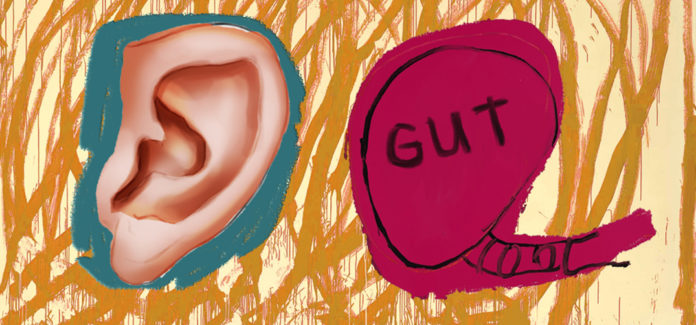
How to Cool Down in the Heat of the Moment

In the heat of the moment, one of the worst things to do is what people normally do–immerse themselves in their emotions and focus on their hurt. This response is like putting gasoline on a fire. It fuels the flame by keeping angry and aggressive thoughts front and center, making it more likely you will say something you later regret.

Psychological research offers a simple strategy to cool these hot emotions. When someone upsets you, try to pretend you are a fly on the wall and viewing the situation from a distance. This is known as “self-distancing.” The process of mentally stepping back from an experience and viewing it as separate from the self and through the eyes of an outside observer can help you stay in control.  

In one study, college students were paired with a partner who, as part of the experiment, intentionally provoked and berated them for not following directions with comments like “Look this is the third time I have to say this! Can’t you follow directions?” in an impatient and obnoxious tone.  The students who had been told to adopt a self-distanced perspective were less quick to anger and responded less aggressively than those who immersed themselves in their feelings.

When you are psychologically distanced from a situation, you gain perspective. The long line at the grocery store might feel a little less personal. You are more likely to consider the possibility that the driver who cut you off is late to pick up her child from daycare and not just a jerk or that a disagreeable colleague is having a tough time at home and not just lazy. Potentially explosive interactions with, friends, family, partners, and even strangers are less likely to explode when you picture the moment from afar. Channeling a fly provides greater distance and as a result, less drama.

This article originally appeared in the March 2019 issue of Marie Claire Magazine.

I wish you all the best,

Dr. Samantha Boardman

Tina Sharkey

Tina Sharkey is the Co-Founder & Co-Chair of Brandless, a company that makes a curated assortment of high-quality things for you, your home, and your family in support of a life well-lived life.

How to Tackle Your Daily To-Do List

Take advantage of research suggesting that willpower is greatest in the morning and do the things that require self-discipline, like going to the gym or doing your taxes, early in the day. Along these lines, plan ahead. There are plenty of things you can do to help you feel less out of control: Choose your outfit the night before. Always keep your keys and cell phone in the same place. If you want to run in the morning, place your sneakers and running clothes by your bed. If you want to spend more quality time with your kids, plan it. Unless it is on your schedule, it might fall by the wayside.

“The only reason for time is so that everything doesn’t happen at once” is a quip attributed to Einstein. But these days, everything seems to happen at once. The good news is that when we feel less conflicted, we restore our sense of time.

This article originally appeared in the September 2018 issue of Marie Claire Magazine.

I wish you all the best,

Dr. Samantha Boardman
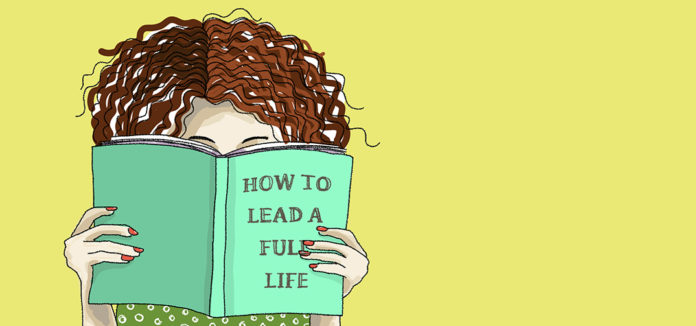
Is Curiosity The Key To A Fulfilling Life?

We are born curious. From birth, babies want to explore their surroundings. The entire industry of baby proofing grows out of an inborn need to touch, see, taste and experience the world around them. As a child’s senses and capabilities develop, their sense of wonder expands too. They venture into the unknown with great interest and an unbridled desire to know and understand more.

But as adults, many of us lose this sense of discovery.  We get so busy looking for answers, we forget to ask questions. Out of fear of the unknown or because we don’t want to disrupt the routine or because we are just too busy dealing with our daily lives, curiosity takes a back seat. Playing it safe prevents us from being overwhelmed and creates a predictable and understandable environment but it doesn’t foster the discovery of new things or build the skills of resilience that novel challenges teach us.

By avoiding situations that provoke anxiety, we may be protecting ourselves from discomfort, but we are also missing out on a key aspect of vitality: the joy of learning something new.  According to a Gallup survey, learning something new was one of the strongest influences on how much enjoyment a person experienced on a given day.

What is the best way to keep curiosity alive? Make it a habit to ask more questions in your daily life. Two of my favorites are inspired by a speech given by James Ryan, Dean of Harvard’s Graduate School of Education:

(1)  Wait, what? When you ask this question, you are expressing interest and a desire to learn more. This question is essential for understanding and clarification. It’s about pressing pause and taking the time to carefully consider what you are doing before making up your mind.

(2)  I wonder if/why… This form of inquiry keeps you curious about why things are as they are and exploring different possibilities and scenarios. It enables you to think differently and see a problem with fresh eyes.

The best questions help us rethink what we already know and not to take “what is” for granted. As the old saying goes, “millions saw the apple fall, but Newton asked why.”

This article originally appeared in the June 2019 issue of Marie Claire Magazine.

I wish you all the best,

Dr. Samantha Boardman

Dr. Peggy Drexler: An Expert Dishes on Daddy’s Girls, Momma’s Boys & More

For Father’s Day, Dr. Peggy Drexler, author of Our Fathers, Ourselves and Raising Boys without Men, speaks to the role — and how it’s changing — men and dads play in our lives. The assistant professor of psychology at Weill Medical College of Cornell University is currently working on her next book about women.

Plants, Positivity & Performance

Luther Burbank (1849-1926), the famous botanist and creator of more than 800 new varieties of plants, once said:

Flowers always make people better, happier, and more helpful; they are sunshine, food and medicine for the soul.

Surely receiving flowers is enough to brighten anyone’s day but as Burbank appreciated, they do so much more. A slew of new studies demonstrate the positive impact plants have on mental and physical health:

Mood Boosting

Studies show that indoor plants enhance mood and creativity and the positive effect lasts for days.

Heath Improving

Patients recovering from surgery in a hospital room decorated with plants and flowers had lower blood pressure, felt less fatigued and required less pain medication. Employees take fewer sick days if they work in offices with plants. Fatigue, headaches, sore throats, coughs and dry skin were all reduced in plant rich indoor environments.

Stress Reducing

Plants and flowers have been shown to reduce stress and lower blood pressure in as quickly as five minutes. They help people feel relaxed and content. Taking care of plants enables people to cope with negative feelings and loneliness.

Productivity Increasing

Enriching an office space with plants boosts productivity by as much as 15%. “Green” office spaces can increase employee happiness and the bottom line. They also convey the important message that the employer cares about the environment and the wellbeing of the employees.

Restaurant Liking

The presence of fresh flowers on a table has a positive effect on a diner’s experience and increases the likelihood they will return. Guests feel welcome and well taken care of in a room adorned with flowers.

Relationship Building

Plants and flowers create a welcoming atmosphere and bring people together. The presence of flowers in a room has been shown to lead to increased contact with family and friends and to build empathy.

Concentration Enhancing

Plants can increase focus. People report feeling more attentive in an environment with some greenery. Children who spend time around plants learn and retain information better.

Sales Soaring

Plants have a positive effect on perception and value. The Opryland Hotel in Nashville has an 85 percent occupancy rate — a high number by hotel standards where the average is 64 percent. According to a case study, the main factor accounting for this high occupancy rate is the large investment in flowers and plants.

Monet said it best:

I must have flowers, always, and always.

I wish you all the best,

Dr. Samantha Boardman