
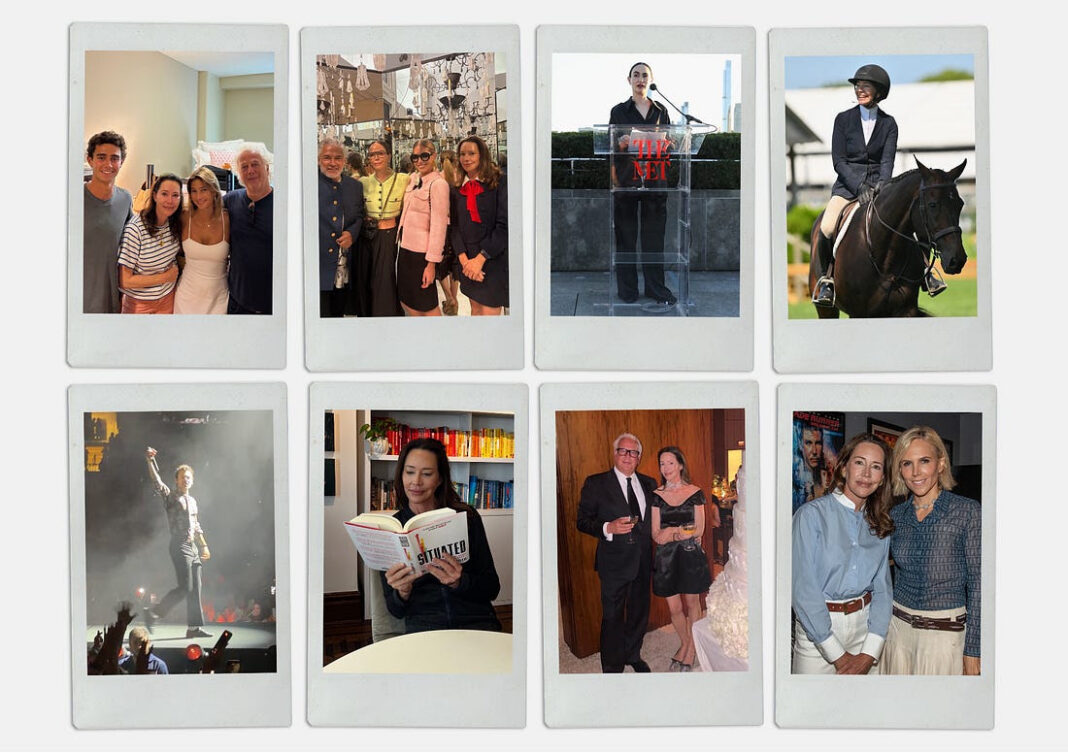
I recently dropped my youngest off at college. It was a bit of a rollercoaster. The good news–she is in a great dorm with a great roommate. The bad news–she (or apparently I) forgot to bring pillows and towels. Smiles, excitement, frustration, and irritation were all there. “You can go now,” she announced to my husband and me about an hour after arriving in her dorm room and six hours before our flight. The good news is that she was fine. I knew I would be fine too but the tears flowed anyway.
Transitions always make me cry. Of course it didn’t help that my Photos app kept sending me montages from the past 18 years. Her first day of kindergarten, dressed up like a ladybug for Halloween, apple picking, her first school dance, ice skating in Central Park, and high school graduation. Where did the time go? As the old saying goes and your Photos app reminds us, the days are long but the years are short.
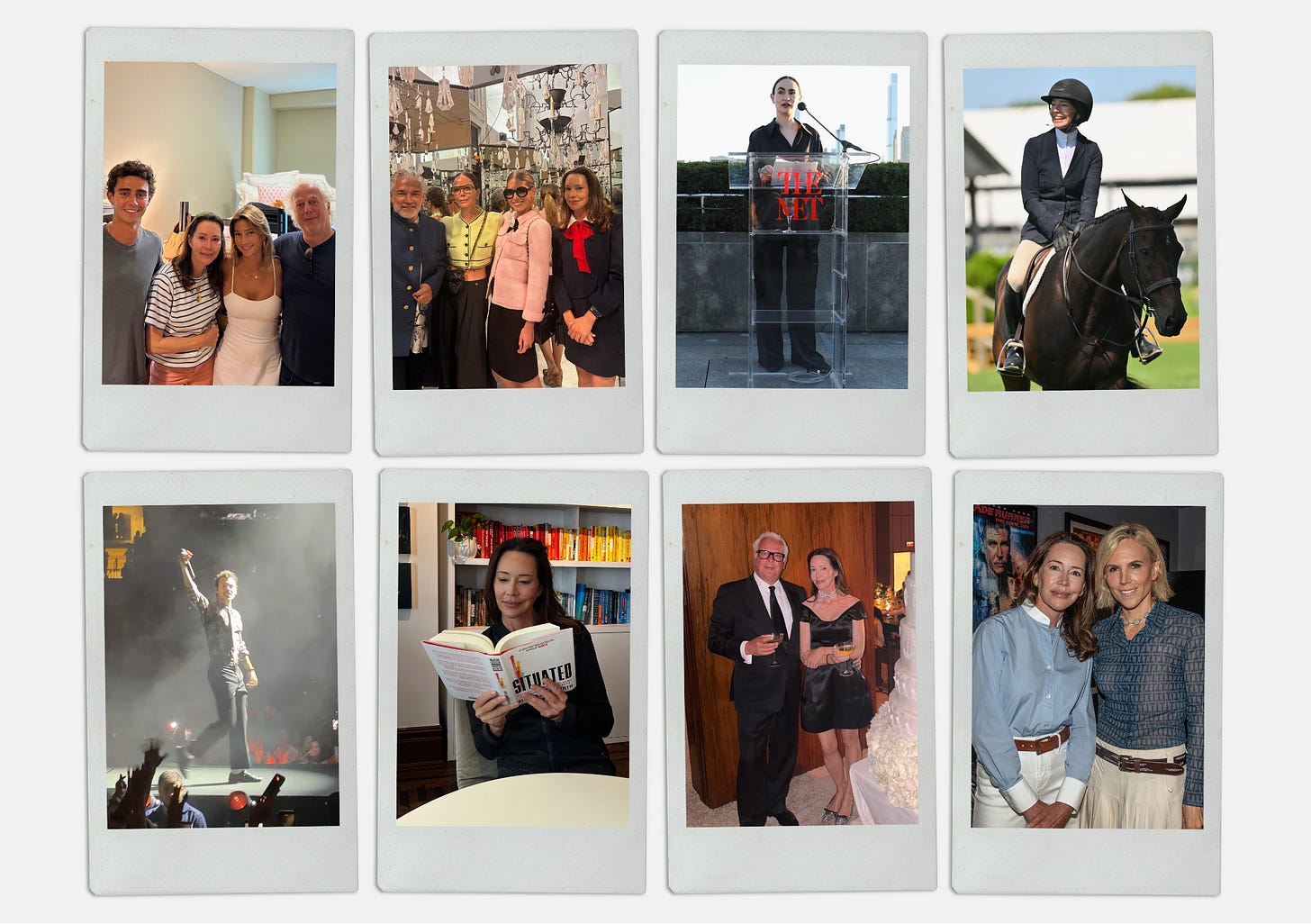
I was so grateful to return home to a packed schedule. The next morning I rode in the Hampton Classic. That afternoon I interviewed my friend Tory Burch at the Southampton Playhouse. I still had the imprint of my riding helmet on my forehead. During the conversation we covered it all–from the early days of her company and that pivotal Oprah moment to Prince wearing her crystal-embellished tunic to Coachella and of course the extraordinary work of the Tory Burch Foundation. The following few days were chock o’block, filled with appointments, meetings, and patients. I walked with friends in the afternoon. I went out for dinner. I read my book before bed. (Good People by Patmeena Sabit. Excellent by the way.) I rode my horse, Braveheart, in the field. Not having time to focus on the reality that my daughter was now living in another state made the transition a lot easier. Every time I walked past her empty room I got a lump in my throat but knowing I had things to do kept me from tumbling down the rabbit hole of missing her.
Many think of distraction as a counterproductive coping strategy. It is seen as just another version of avoidance. If you’re walking away from an issue, well then you are not dealing with it. Sure, if after losing a job, you distract yourself by playing video games all day instead of looking for something new, that’s a problem. That said, I would argue that distraction can be healthy under certain circumstances, especially when emotions are raw and you cannot change the situation.
Engagement coping is when we try to deal with a challenge by thinking about it and working on it. This approach is helpful when there are steps we can take to change the situation. It involves problem solving and focus. If you are anxious about an upcoming exam, study for it. Disengagement coping, on the other hand, involves stepping away from the issue and intentionally doing something to distract yourself. When we don’t have a say over what is happening, or when we would benefit from gaining some perspective, distraction may be just what the doctor ordered.
During the dog days of Covid in the spring of 2020, psychologists asked 329 Americans to reconstruct a single day, episode by episode, and note whether each activity was a pleasant break from thinking about the pandemic or simply a way to avoid it. When people used an activity as a deliberate break, they felt more positive emotions and more in control, with less stress and fewer negative feelings. They also ruminated less about the pandemic. It is worth noting that people who distracted themselves with something positive tended to do better than those who distracted themselves with mundane chores or tasks. Adding positive emotions made a difference. Sorry, doomscrolling is not a recommended distraction strategy.
Here is a simple guide to taking a strategic break:
- First, try to engage. Ask yourself: Can I do something to solve this? Is it helpful to think differently? If so, do that.
- Know when to disengage. If engaging isn’t helping, is too difficult, or requires energy that you don’t have, it may be time to shift your focus elsewhere.
- Choose a positive distraction. Do something that genuinely puts you in a good mood. Organizing your shelves might keep you occupied, but something you actually enjoy is likely to be more effective.
- Remember, it’s a pause, not an escape. You aren’t ignoring your problems forever. You are taking a strategic pause to rest, recharge, and gain some perspective.
Distraction is a powerful antidote for self-focus and single-mindedness, an all-too-common affliction today. In her delightful book, The Plenitude of Distraction, Marina van Zuylen writes, “it is time to side with some of the great propagandists of so-called wasted time and cultivate controlled mental mayhem.” I couldn’t agree more.